


Samsung
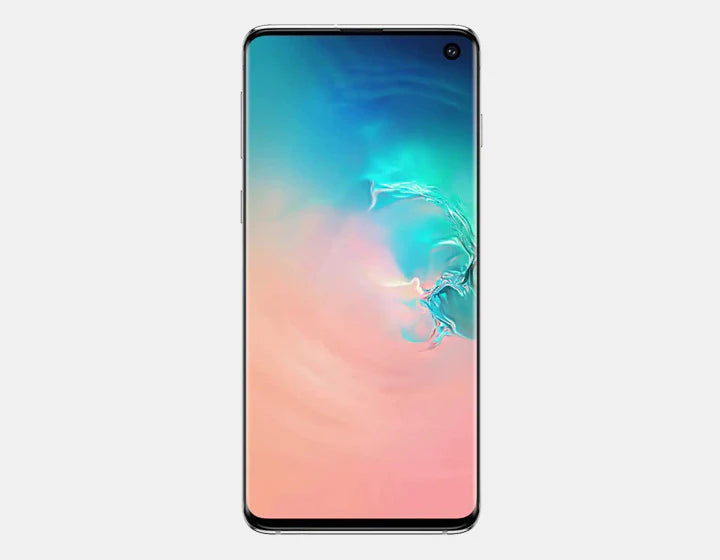
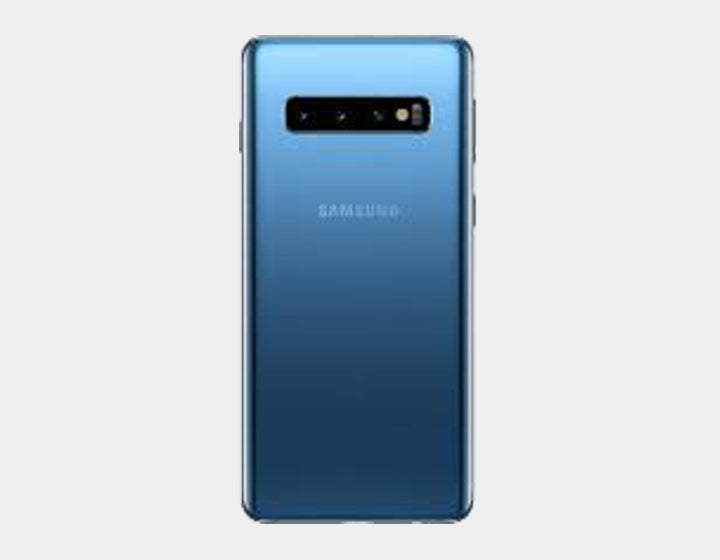
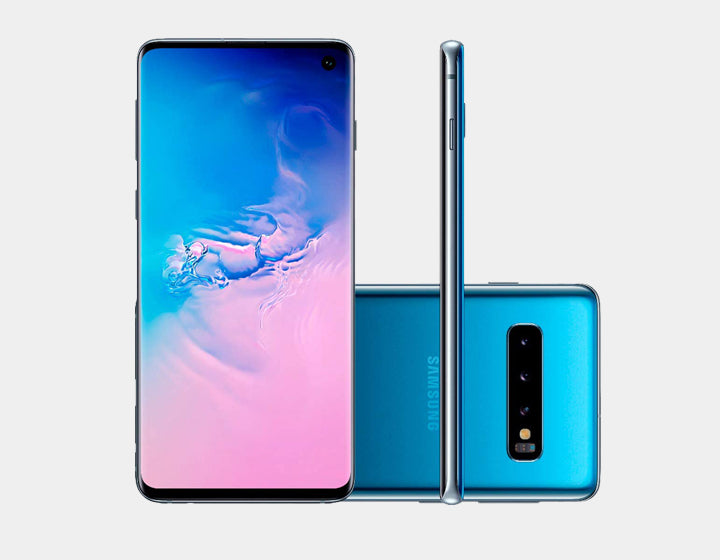
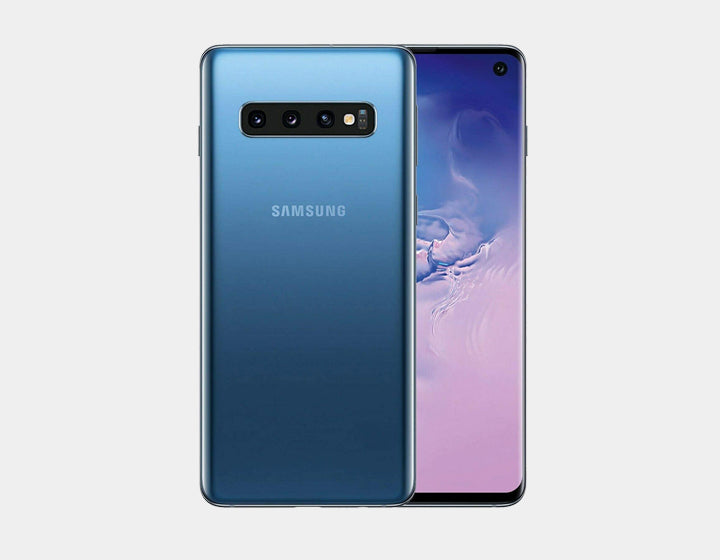
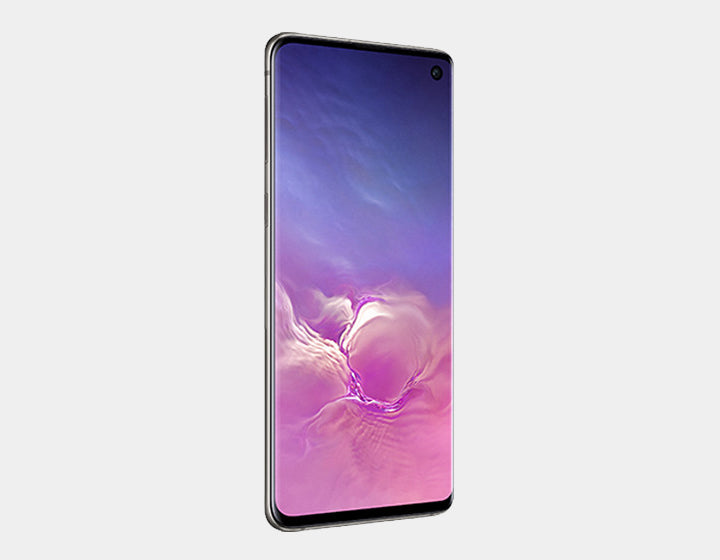
Samsung Galaxy S10 SM-G973F/DS 128GB+8GB Dual SIM GSM Unlocked - Prism Blue
Samsung Galaxy S10 SM-G973F/DS 128GB+8GB Dual SIM GSM Unlocked - Prism Blue
SKU: SKU:SAM-G973F-DS-128GB-8GB-BL
Stock bas : 6 restant(s)
 Ships Today from New York
📞 Need Help? Call Toll-Free: 1-844-CELLMAX
Impossible de charger la disponibilité du service de retrait
Free Premium Accessories Included — A $20 Value
Premium accessories included free with every phone purchase.


🛒 Recommended Accessories


-
MYWORLDPHONE CUSTOMER REVIEWS
4.8
OUT OF 5
⭐⭐⭐⭐⭐Based on reviews
Excellent
Why Buy from Us
-

25+ Years of Experience in Business
-

Same-Day Shipping from New York
-

100% Genuine Unlocked Devices
-

Huge Selection of Smartphones
-

Free Shipping


MyWorldPhone.com
Samsung Galaxy S10
Prism Blue • 128GB • 8GB RAM
A flagship experience with stunning design, pro-grade camera, and powerful performance.
Infinity Dynamic AMOLED Display
Enjoy a seamless 6.1” edge-to-edge display with vibrant colors and minimal distractions.
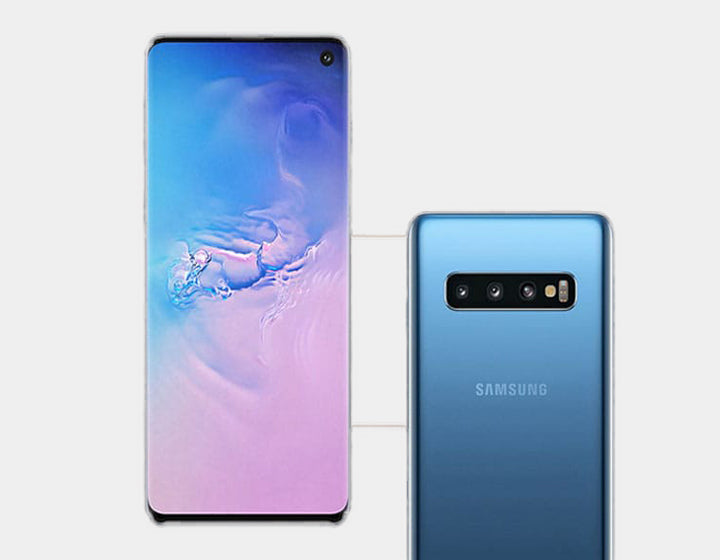
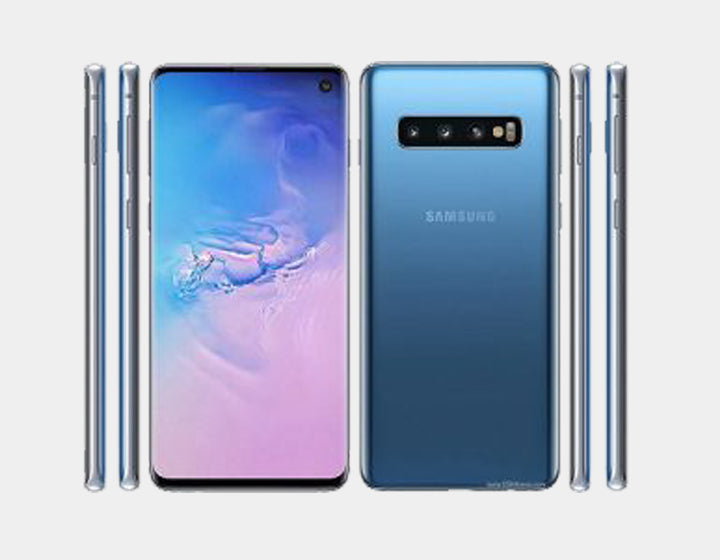
Prism Blue Premium Finish
Sleek, modern design with a striking Prism Blue color that stands out from every angle.
Flagship-Level Performance
Snapdragon 855 processor with 8GB RAM ensures smooth multitasking, gaming, and streaming.
Pro-Grade Multi-Camera
Capture stunning photos and videos with a versatile multi-camera system designed for every scene.
Ultra Wide Lens
Expand your perspective with ultra-wide shots that capture more in every frame.
AI Smart Camera
Intelligent features optimize settings automatically to help you take better photos effortlessly.
Wireless PowerShare
Charge other devices wirelessly directly from your Galaxy S10.
Wi-Fi 6 & LTE Speed
Fast, reliable connectivity for streaming, browsing, and sharing wherever you go.
Expandable Storage
128GB internal storage with support for microSD expansion gives you room for everything.
Bixby Smart Features
Personalized automation with Bixby Routines adapts to your daily habits.
Key Specifications
- Samsung Galaxy S10 (SM-G973F/DS)
- Color: Prism Blue
- 128GB Storage
- 8GB RAM
- 6.1” Dynamic AMOLED Display
- Dual SIM
- Snapdragon 855 Processor
- Pro-Grade Multi-Camera
- Ultra Wide Lens
- Wireless PowerShare
- Wi-Fi 6 Support
- Expandable Storage
- Factory Unlocked GSM LTE
- International Version
| NETWORK | Technology | GSM / CDMA / HSPA / EVDO / LTE |
|---|---|---|
| 2G bands | GSM 850 / 900 / 1800 / 1900 - SIM 1 & SIM 2 (dual-SIM model only) | |
| CDMA 800 / 1900 - USA | ||
| 3G bands | HSDPA 850 / 900 / 1700(AWS) / 1900 / 2100 - Global, USA | |
| CDMA2000 1xEV-DO - USA | ||
| 4G bands | LTE band 1(2100), 2(1900), 3(1800), 4(1700/2100), 5(850), 7(2600), 8(900), 12(700), 13(700), 17(700), 18(800), 19(800), 20(800), 25(1900), 26(850), 28(700), 32(1500), 38(2600), 39(1900), 40(2300), 41(2500), 66(1700/2100) - Global | |
| LTE band 1(2100), 2(1900), 3(1800), 4(1700/2100), 5(850), 7(2600), 8(900), 12(700), 13(700), 14(700), 17(700), 18(800), 19(800), 20(800), 25(1900), 26(850), 28(700), 29(700), 30(2300), 38(2600), 39(1900), 40(2300), 41(2500), 46, 66(1700/2100), 71(600) - USA | ||
| Speed | HSPA 42.2/5.76 Mbps, LTE-A (7CA) Cat20 2000/150 Mbps | |
| GPRS | Yes | |
| EDGE | Yes |
| LAUNCH | Announced | 2019, February |
|---|---|---|
| Status | Available. Released 2019, March |
| BODY | Dimensions | 149.9 x 70.4 x 7.8 mm (5.90 x 2.77 x 0.31 in) |
|---|---|---|
| Weight | 157 g (5.54 oz) | |
| Build | Back glass (Gorilla Glass 5), aluminum frame | |
| SIM | Single SIM (Nano-SIM) or Hybrid Dual SIM (Nano-SIM, dual stand-by) | |
| Samsung Pay (Visa, MasterCard certified) IP68 dust/waterproof (up to 1.5m for 30 mins) |
| DISPLAY | Type | Dynamic AMOLED capacitive touchscreen, 16M colors |
|---|---|---|
| Size | 6.1 inches, 93.2 cm2 (~88.3% screen-to-body ratio) | |
| Resolution | 1440 x 3040 pixels, 19:9 ratio (~550 ppi density) | |
| Protection | Corning Gorilla Glass 6 | |
| HDR10+ Always-on display |
| PLATFORM | OS | Android 9.0 (Pie); One UI |
|---|---|---|
| Chipset | Exynos 9820 (8 nm) - EMEA Qualcomm SDM855 Snapdragon 855 (7 nm) - USA/LATAM, China | |
| CPU | Octa-core (2x2.73 GHz Mongoose M4 & 2x2.31 GHz Cortex-A75 & 4x1.95 GHz Cortex-A55) - EMEA Octa-core (1x2.84 GHz Kryo 485 & 3x2.41 GHz Kryo 485 & 4x1.78 GHz Kryo 485) - USA/LATAM, China | |
| GPU | Mali-G76 MP12 - EMEA Adreno 640 - USA/LATAM, China |
| MEMORY | Card slot | microSD, up to 1 TB (uses shared SIM slot) - dual SIM model only |
|---|---|---|
| Internal | 128/512 GB, 8 GB RAM |
| MAIN CAMERA | Triple | 12 MP, f/1.5-2.4, 26mm (wide), 1/2.55", 1.4µm, Dual Pixel PDAF, OIS 12 MP, f/2.4, 52mm (telephoto), 1/3.6", 1.0µm, AF, OIS, 2x optical zoom 16 MP, f/2.2, 12mm (ultrawide), 1.0µm |
|---|---|---|
| Features | LED flash, auto-HDR, panorama | |
| Video | 2160p@60fps, 1080p@240fps, 720p@960fps, HDR, dual-video rec. |
| SELFIE CAMERA | Single | 10 MP, f/1.9, 26mm (wide), 1.22µm, Dual Pixel PDAF |
|---|---|---|
| Features | Dual video call, Auto-HDR | |
| Video | 2160p@30fps, 1080p@30fps |
| SOUND | Loudspeaker | Yes, with stereo speakers |
|---|---|---|
| 3.5mm jack | Yes | |
| 32-bit/384kHz audio Active noise cancellation with dedicated mic Dolby Atmos/AKG sound |
| COMMS | WLAN | Wi-Fi 802.11 a/b/g/n/ac/ax, dual-band, Wi-Fi Direct, hotspot |
|---|---|---|
| Bluetooth | 5.0, A2DP, LE, aptX | |
| GPS | Yes, with A-GPS, GLONASS, BDS, GALILEO | |
| NFC | Yes | |
| Radio | FM radio (USA & Canada only) | |
| USB | 3.1, Type-C 1.0 reversible connector |
| FEATURES | Sensors | Fingerprint (under display), accelerometer, gyro, proximity, compass, barometer, heart rate, SpO2 |
|---|---|---|
| ANT+ Bixby natural language commands and dictation Samsung DeX (desktop experience support) |
| BATTERY | Non-removable Li-Ion 3400 mAh battery | |
|---|---|---|
| Charging | Fast battery charging 15W Fast wireless charging 15W Power bank/Reverse wireless charging 9W |
| MISC | Colors | Prism White, Prism Black, Prism Green, Prism Blue, Canary Yellow, Flamingo Pink |
|---|---|---|
| Models | SM-G973F, SM-G973U, SM-G973W, SM-G973U1 | |
| SAR | 0.93 W/kg (head) 0.79 W/kg (body) | |
| SAR EU | 0.48 W/kg (head) 1.59 W/kg (body) |
| TESTS | Performance | Basemark OS II: 4539 / Basemark OS II 2.0: 4465 Basemark X: 44097 |
|---|---|---|
| Display | Contrast ratio: Infinite (nominal), 4.498 (sunlight) | |
| Camera | Photo / Video | |
| Loudspeaker | Voice 82dB / Noise 74dB / Ring 85dB | |
| Audio quality | Noise -92.2dB / Crosstalk -92.7dB | |
| Battery life | Endurance rating 79h |
| Warranty | No Warranty |
|---|
| UPC/EAN | 8801643842789 |
|---|
| 1pcs | Samsung Galaxy S10 SM-G973F/DS |
| 1pcs | Battery. |
| 1pcs | Home Charger. |
| 1pcs | Headphone. |
| 1pcs | Data Cable. |
| 1pcs | User Manual. |
1. Which exact Galaxy S10 is this?
This is the Samsung Galaxy S10 SM-G973F/DS, with 128GB storage, 8GB RAM, Dual SIM capability and Prism Blue finish. Samsung’s support database confirms SM-G973F/DS as an official Galaxy S10 model.
2. Is Prism Blue an official Samsung color?
Yes. Samsung officially released the Galaxy S10 in Prism Blue, including 128GB variants in selected markets.
3. Is 128GB + 8GB RAM official?
Yes. Samsung officially lists the Galaxy S10 with 8GB LPDDR4X RAM and either 128GB or 512GB storage.
4. What does “F/DS” mean?
The F identifies the international model family, while DS denotes Dual SIM capability for the applicable model.
5. Is this the U.S. Galaxy S10?
No. SM-G973F/DS is an international model, not the U.S. SM-G973U/U1 hardware variant. Samsung maintains separate support entries for SM-G973F/DS.
6. Is it a 5G phone?
No. The regular Galaxy S10 SM-G973F/DS is an LTE/4G device. The Galaxy S10 5G was a separate model. Samsung’s launch specification describes the standard S10 as LTE Cat.20.
7. Does it have 8GB of physical RAM?
Yes, 8GB LPDDR4X.
8. Does Samsung offer a 512GB S10 too?
Yes. Samsung officially offered both 128GB and 512GB Galaxy S10 configurations.
9. Does the 128GB model support expandable storage?
Yes, through the hybrid microSD slot.
10. What is the official microSD maximum?
Samsung officially specified up to 512GB, not 1TB, for the Galaxy S10.
Exynos 9820 processor
11. Which processor does this exact SM-G973F/DS use?
Samsung Exynos 9820. Samsung UK lists the Galaxy S10 processor as Exynos 9820.
12. Is Snapdragon 855 correct for this SKU?
No. Snapdragon 855 was used in other regional Galaxy S10 variants. Your exact international SM-G973F/DS should be presented as the Exynos 9820 model.
13. What process technology does Exynos 9820 use?
8nm. Samsung’s original launch documentation describes an 8nm processor option for this generation.
14. How many CPU cores does it have?
Eight.
15. What CPU arrangement does Samsung publish?
Samsung’s official launch specification gives the Exynos version maximum CPU frequencies of approximately 2.7GHz + 2.3GHz + 1.9GHz across its three-core clusters.
16. Can the listing show the more detailed Mongoose/A75/A55 architecture?
Yes, but for manufacturer-focused copy it is cleaner to use:
Exynos 9820 Octa-Core | up to 2.7GHz
rather than cluttering the retail page with third-party core-level detail.
17. Which GPU does the international Exynos model use?
Mali-G76 MP12. Your lower technical table already assigns that GPU to the EMEA Exynos model.
18. Should Adreno 640 appear on this exact page?
No. Adreno 640 belongs to the Snapdragon 855 regional Galaxy S10 variants, not this SM-G973F/DS.
19. Is this processor still suitable for normal smartphone use?
Yes. It remains capable of web browsing, media, communication and mainstream apps, although it is a 2019 flagship platform rather than a current-generation processor.
20. What is the biggest processor correction needed?
Remove every primary marketing reference to Snapdragon 855 and replace it with Exynos 9820. Your live hero currently incorrectly calls this exact model Snapdragon-powered.
Display
21. How large is the Galaxy S10 display?
6.1 inches measured as a full rectangle.
22. What type of display is used?
Dynamic AMOLED Infinity-O Display.
23. Is the screen curved?
Yes. Samsung officially calls it a 6.1-inch Quad HD+ Curved Dynamic AMOLED display.
24. What is the resolution?
3040 × 1440 Quad HD+.
25. What is the aspect ratio?
19:9.
26. What is the pixel density?
Approximately 550 PPI.
27. Does the phone always run at Quad HD+ by default?
No. Samsung notes that the default resolution is Full HD+, with Quad HD+ selectable in Settings.
28. What protects the front display?
Corning Gorilla Glass 6.
29. What protects the rear?
Samsung specifies Gorilla Glass 5 on the Galaxy S10 rear.
30. Does the display support HDR10+?
Yes. Samsung promoted the Galaxy S10 as an HDR10+-capable Dynamic AMOLED device.
Display quality & features
31. What peak brightness did Samsung cite?
Samsung cited DisplayMate measurements around 1200 nits peak luminance for the Galaxy S10 display.
32. Does it cover DCI-P3?
Yes. Samsung highlighted 100% mobile color volume in the DCI-P3 range.
33. Does it support Always On Display?
Yes.
34. Does it have a display notch?
No traditional notch. It uses Samsung’s Infinity-O punch-hole camera design.
35. Is the front camera physically inside the display area?
Yes. Samsung used laser-cutting technology for the in-display camera opening.
36. Does Samsung publish an official screen-to-body percentage?
Not in the primary manufacturer specifications used here.
37. Should the current ~88.3% figure remain?
I would remove it or identify it as a third-party/calculated figure. Your live table lists ~88.3%, but Samsung’s own documentation focuses on display dimensions rather than that percentage.
38. Does it have a 120Hz display?
No. The Galaxy S10 predates Samsung’s 120Hz Galaxy S flagship generation.
39. Should 120Hz be added for SEO?
No. That would be inaccurate.
40. Does it have Samsung Eye Comfort certification?
Yes. Samsung notes TÜV Rheinland Eye Comfort certification for the S10 family.
Design & durability
41. What are the official dimensions?
149.9 × 70.4 × 7.8mm.
42. What is the official weight?
157g.
43. Is the back plastic?
No. It is a glass-backed smartphone.
44. What glass is on the back?
Gorilla Glass 5.
45. What glass is on the front?
Gorilla Glass 6.
46. Does it have a metal frame?
Yes. Samsung’s design materials describe a gradient metal-frame/glass construction.
47. What IP rating does the Galaxy S10 have?
IP68 for water and dust resistance.
48. What water-resistance test does Samsung state?
Samsung cites resistance in up to 1.5 meters of freshwater for up to 30 minutes under defined conditions.
49. Is it waterproof?
No. IP68 is a laboratory resistance rating and should not be marketed as permanent waterproofing.
50. Does Prism Blue have a special finish?
Yes. Samsung’s Prism finishes use an iridescent/gradient glass design, and Prism Blue was an official color.
Triple rear camera
51. How many rear cameras does the Galaxy S10 have?
Three. Samsung officially specifies one wide, one telephoto and one ultrawide camera.
52. What is the main camera?
12MP wide-angle Dual Pixel AF camera with OIS.
53. What aperture does the main camera use?
A mechanical Dual Aperture of f/1.5 and f/2.4.
54. What is the main-camera field of view?
Approximately 77° in Samsung’s launch specification.
55. Does the main camera have autofocus?
Yes, Dual Pixel AF.
56. Does the main camera have optical stabilization?
Yes, OIS.
57. What is the telephoto camera?
12MP telephoto | f/2.4 | PDAF | OIS.
58. What optical zoom does it provide?
2× optical zoom.
59. What is the ultrawide camera?
16MP | f/2.2 | approximately 123° FoV.
60. Does the ultrawide use autofocus?
Samsung’s launch specification lists it as fixed focus.
Camera features & front camera
61. What is the highest-resolution rear sensor?
The ultrawide is 16MP, while the main wide and telephoto cameras are both 12MP.
62. Is the current top “Rear Camera 12MP” field wrong?
Not necessarily if that field means main camera resolution. But it undersells the whole system. Your page would be clearer with:
Rear Camera: Triple — 12MP Main + 12MP Telephoto + 16MP Ultrawide
The current top field simply says 12MP.
63. What is the selfie camera?
10MP Dual Pixel autofocus camera.
64. What is its aperture?
f/1.9.
65. Is the current 10MP front-camera field correct?
Yes.
66. Does the front camera autofocus?
Yes. Samsung specifies Dual Pixel AF.
67. What is the selfie field of view?
Approximately 80°.
68. Does Samsung call the rear system “Pro-Grade”?
Yes, Samsung marketed the Galaxy S10 family around its multi-camera imaging capabilities.
69. Does it support Scene Optimizer?
Yes. Samsung’s S10 camera materials include AI-assisted Scene Optimizer.
70. Does it support Super Steady video?
Yes. Samsung states Super Steady is available using the ultrawide camera in Full HD.
Video
71. What is the maximum rear-video resolution?
4K UHD at 60fps. Samsung’s official device specification confirms UHD 4K60.
72. Does it support 4K30?
Yes.
73. Does it support HDR10+ recording?
Samsung introduced HDR10+ video recording with the Galaxy S10 generation, although playback/share compatibility depends on the platform.
74. Does it support slow-motion video?
Yes.
75. Does it support Super Slow-mo?
Yes, the Galaxy S10 generation included Samsung’s high-frame-rate Super Slow-mo feature.
76. Does the telephoto have OIS for video and photos?
The telephoto hardware includes OIS.
77. Does the main camera have OIS?
Yes.
78. Does the ultrawide have OIS?
No physical OIS is listed for the 16MP ultrawide.
79. What is the maximum officially listed selfie-video capability?
The Galaxy S10 supports high-resolution front video; Samsung’s launch-generation materials notably positioned the 10MP Dual Pixel AF selfie system as part of its advanced camera package.
80. Should the listing say “triple camera” rather than “multi-camera”?
Yes. Triple Rear Camera is more specific and improves both buyer clarity and search relevance.
Battery & charging
81. What is the battery capacity?
3400mAh typical.
82. Is the battery removable?
No.
83. What wired charging does it support?
Samsung identifies the Galaxy S10 as an Adaptive Fast Charging device, compatible with QC2.0/AFC; Samsung’s charging guidance confirms the regular S10 supports the 15W charging class.
84. Does a 25W charger make it charge at 25W?
No. The regular Galaxy S10 is limited to its supported charging rate; later Samsung models and the S10 5G had different charging capabilities.
85. Does it support wireless charging?
Yes. Samsung officially supports Fast Wireless Charging 2.0.
86. What is the Fast Wireless Charging 2.0 rate for the S10?
Samsung’s charging guidance identifies Fast Wireless Charging 2.0 at up to 12W for the Galaxy S10.
87. Is the current 15W wireless charging claim correct?
I would change it. Your page currently says 15W wireless, while Samsung’s own guidance identifies the S10’s Fast Wireless Charging 2.0 implementation as 12W.
88. Does it support reverse wireless charging?
Yes. Samsung calls it Wireless PowerShare.
89. Should the page claim exactly 9W reverse wireless charging?
No. Samsung’s main manufacturer specifications confirm Wireless PowerShare but do not support the 9W figure your current table uses. I would simply write Wireless PowerShare: Supported.
90. Can it charge compatible Galaxy Buds or another Qi device?
Yes, Wireless PowerShare works with compatible Qi wireless-charging devices, subject to Samsung’s conditions.
SIM, connectivity, audio & software
91. What SIM configuration does SM-G973F/DS use?
A hybrid Dual SIM tray: one Nano-SIM plus either a second Nano-SIM or a microSD card.
92. Can it use two SIMs and a microSD card simultaneously?
No. The second position is shared between SIM 2 and microSD.
93. Does the S10 support eSIM?
Samsung’s original SM-G973F/DS specifications document physical Nano-SIM operation, not eSIM. Do not advertise eSIM for this SKU.
94. What Wi-Fi does it support?
Wi-Fi 6 / 802.11ax, plus older a/b/g/n/ac standards, on 2.4GHz and 5GHz. Samsung lists VHT80 MU-MIMO and 1024QAM.
95. What Bluetooth version does it use?
Bluetooth 5.0.
96. Does it have NFC?
Yes.
97. Does it support Samsung DeX?
Yes. The Galaxy S10 supports Samsung DeX and can connect to an external monitor through a compatible USB-C-to-HDMI adapter/cable.
98. Does it still have a 3.5mm headphone jack?
Yes. The Galaxy S10 includes a 3.5mm headphone jack, along with AKG-tuned stereo audio and Dolby Atmos.
99. What fingerprint technology does it use?
An ultrasonic in-display fingerprint scanner.
100. What software did it launch with, and what was Samsung's upgrade policy?
The Galaxy S10 launched with Android 9 / Samsung One UI. Samsung later explicitly included the S10 in its commitment to three generations of Android OS upgrades.
Factory-unlocked status does not guarantee activation on every carrier. This is an international LTE model, so actual service depends on the exact SM-G973F/DS band set, IMEI eligibility, carrier certification, VoLTE/IMS provisioning, plan and current carrier policy. The current page should not merge U.S. SM-G973U/CDMA network specifications into the international F/DS listing.